Profiles and steel structures
Where Z-purlins can save money on a steel building roof
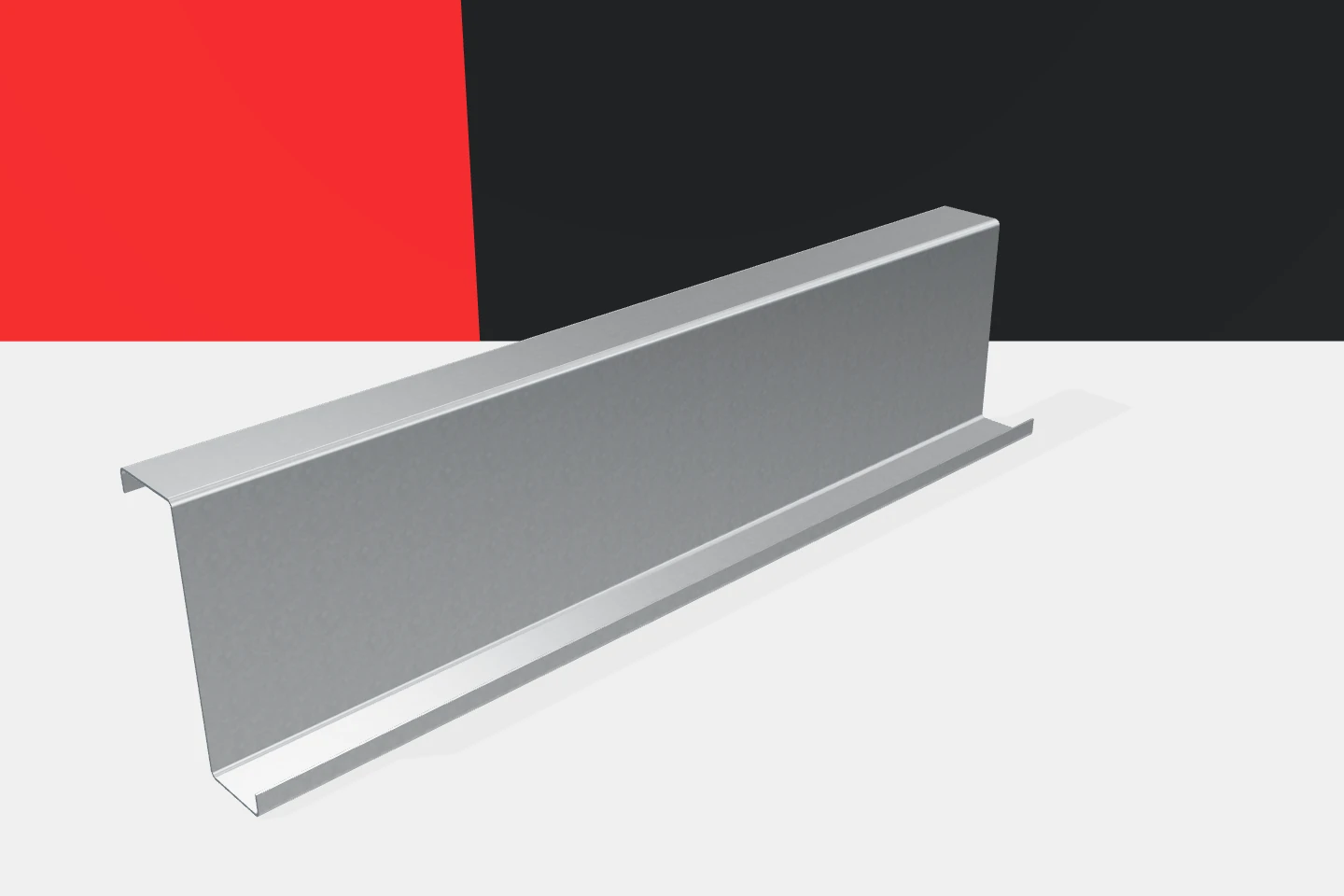
Z-purlins are a popular element of steel roofs. Their advantage lies in the possibility of building orderly purlin layouts from parts prepared for assembly. This can bring material and organisational savings. However, these do not follow from the name of the section alone. Cold-formed profiles must be selected for loads, frame spacing and cladding. Only then can it be assessed which solution will be beneficial for the investor. The spacing of the main frames affects the span length of the purlins. The purlin spacing, in turn, affects the load on each of them and the performance of the covering. These decisions are interrelated. Reducing the number of profiles may increase the requirements placed on the remaining elements. Optimisation should therefore cover the roof as a whole. It is not enough to remove a few lines of support from the drawing.
Savings start with the structural layout
Z-sections may suit the chosen layout well, but their parameters must be confirmed. Thickness, steel grade and the method of lateral restraint are important. Galvanised profiles allow the load-bearing function to be combined with surface protection in a given environment. Each of these features, however, requires separate specification. Savings should not rely on leaving them undefined.
Plants can arrange the material advantageously
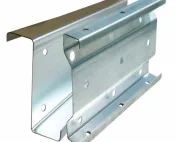
In some systems, Z-sections overlap in the support zones. A layout prepared in this way can utilise the continuity of the purlin. Geometry with different flange widths facilitates proper nesting. However, this is not a connection created arbitrarily. The overlap length, holes and fasteners must correspond to the adopted solution.
The material benefit must be weighed against the installation effort. Overlaps mean a specific number of connections and a sequence of assembly. In another project, splice plates or separate sections may be more advantageous. Cold-formed profiles offer a choice of scheme, but not one automatically cheapest variant. The comparison should show the weight, accessories and work required to execute each solution.
Not all zones need the same profile
Conditions in the end spans may differ from those in the middle section. The design may therefore provide for different thicknesses or additional elements in selected locations. This allows the amount of material to be matched to requirements. However, it requires good identification of the parts. Variants should not be mixed during delivery and installation simply because they have the same height.
Standardising all purlins may simplify picking, but it is sometimes more expensive in terms of material. Differentiation may reduce weight but increases organisational requirements. The investor should be aware of this compromise. Galvanised profiles prepared according to a clear schedule make it easier to use several variants. It is important that the saving is not based on omitting the differences between parts.
Ready-made holes and lengths affect the budget
Factory processing can reduce drilling and cutting on site. Repeatability helps maintain the pace of installation. It is worth including these operations in the comparison of offers. A cheap profile requiring many operations on site does not necessarily mean a cheaper roof. The price of the material is supplemented by labour, tools, inspection and treatment of the surface after processing.
At the same time, prefabrication requires efficient coordination. A delayed dimensional change can affect the entire batch. It is advisable to establish the point at which drawings are approved and the procedure for changes. Z-purlins manufactured to a specific axis should have a durable link to the documentation. This reduces the risk of accidental adjustment of components during construction.

The cladding may change the requirements for the purlins
Trapezoidal steel sheet and sandwich panels have their own rules for support and fixing. The spacing, bearing width and fastener requirements must be checked. The roof should not be selected from two independent tables without checking the shared assumptions. The purlin and the cladding transfer loads to each other. Their parameters must correspond to the same system.
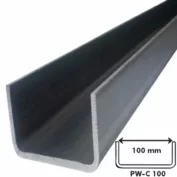
Nor can the cladding be assumed to brace the Z-purlins without verification. Such interaction depends on the design and the fixings. If additional bridging is required, it must be included in the price. Channels, sigma and omega profiles in the roof details also have their tasks. Omitting small parts may improve the appearance of the quote, but does not reduce the scope of the required structure.
Durability affects the cost of use
A zinc coating is practical protection for steel if it suits the environment. Humidity, the possibility of condensation and access for inspection should be taken into account. Galvanised profiles in hard-to-reach roof areas should be well selected before installation. Later repair can be more troublesome than preparing the correct detail at the outset.
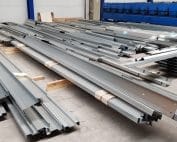
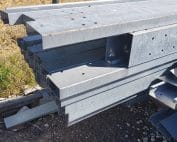
Delivery and storage also have economic significance. Moisture in the bundles or deformation of the purlins can cause downtime and additional assessment. It is not worth saving on proper unloading. Cold-formed profiles are light compared with many traditional solutions, but long elements still require proper handling. Organising the work protects the value of the purchased material.
How to ask about an economical roof
It is worth asking for variants that meet the same requirements for load-bearing capacity, deflection and durability. Each should include profiles, accessories, the scope of fabrication and installation assumptions. Only such a set shows the real differences. The price per kilogram is supporting information. It does not by itself answer the question of the cost of a finished roof.
Z-sections can be a very useful element of a rationally designed hall. Their advantages are adaptation to purlin systems and the possibility of prefabrication. Channels, sigma and omega profiles complement them in appropriate places. The choice of cold-formed profiles should lead to fewer problems on site. The most convincing saving results from a calculated solution and well-prepared execution.
7 branches. Materials closer to your project.