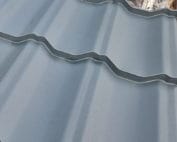
Choice of roofing
Titanium zinc or coated steel: what changes with the choice of sheet?
When choosing between titanium-zinc sheet and coated steel, first establish whether the criterion is appearance and architectural detail or a simple, economical covering. Check how the sheets and flashings will be joined, because titanium-zinc has a zinc base with alloying additions, while coated steel relies on a steel core. Also check the service conditions, contact with other metals and water drainage. The natural patina changes tone at different rates, so do not expect a uniform colour from the start.
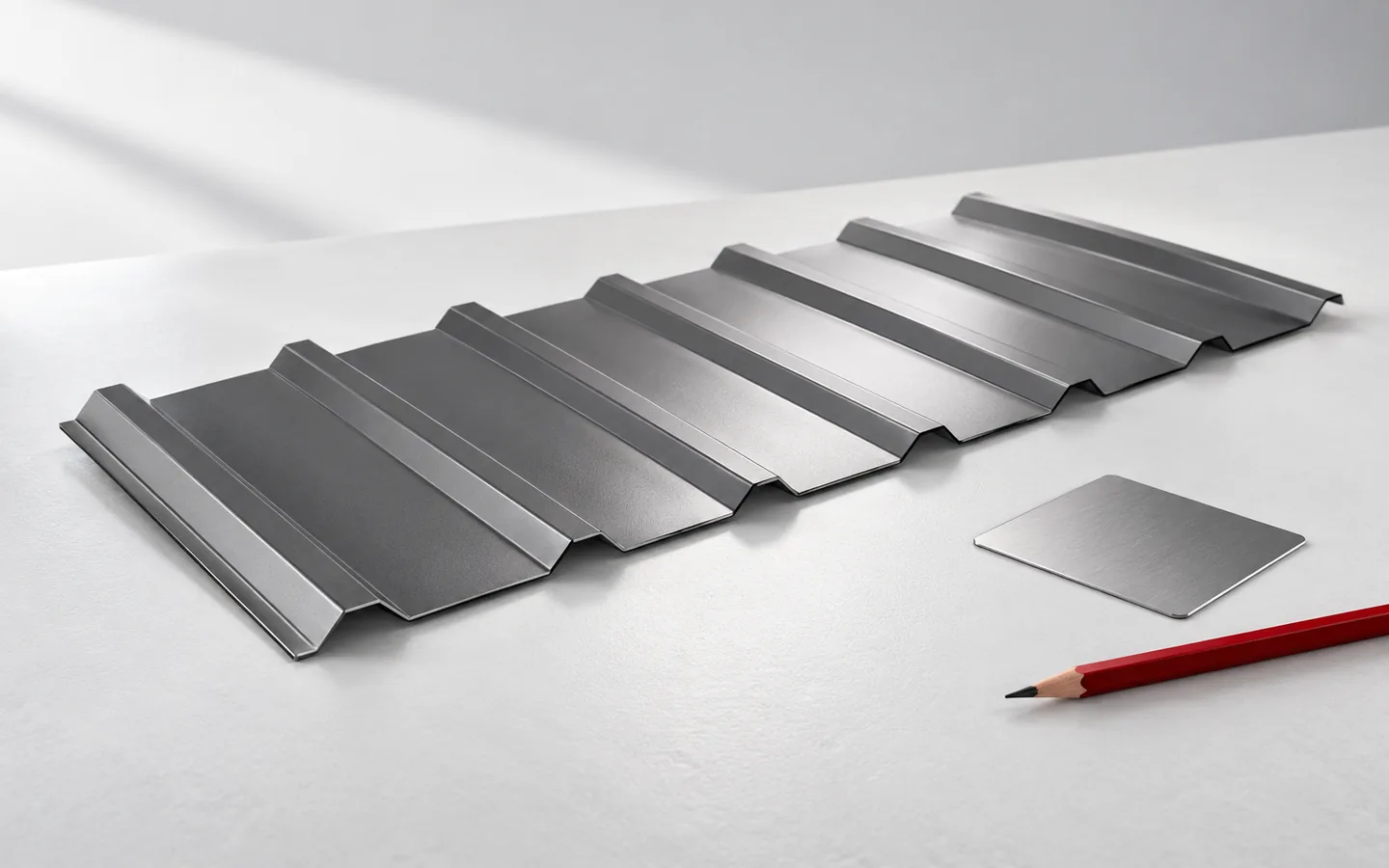
What is hidden under the name titanium-zinc?
The material has a zinc base with small alloying additions, including titanium and copper. It is not titanium sheet or ordinary galvanised steel. This difference matters when ordering flashings. The term zinc is sometimes used colloquially for various products, so the full material type and its intended use should be stated in the comparison.
In trapezoidal steel sheet, the steel core provides the strength. Protective layers are applied on top of it, depending on the variant. With titanium-zinc, the substrate, the folds and the method of fixing behave differently. Offcuts of the two materials should not be mixed in one detail without checking compatibility. The differences do not end with the colour of the visible surface.
How does the patina form and what changes the appearance?
On the natural zinc surface, reactions with the environment occur. A patina layer forms, giving a matt tone and contributing to the protection of the material. The process depends on exposure and moisture access. Individual roof sections may change appearance at different rates. It should not be expected that they will have an identical colour from the first day.
Surfaces factory-prepared for a specific visual effect are also available. This does not mean that every such sheet is painted like coated steel. It is worth viewing a sample and asking about the expected ageing. Patina does not repair deep bends or leaky joints. A natural change of shade is not the same as a constructional defect of the covering.
What is the significance of the substrate and contact with other materials?
The underside of the sheet requires the conditions specified in the system. Prolonged dampness without the possibility of drying out can cause damage. The choice of substrate, separating layer and ventilation is therefore as important as the appearance of the surface. Not every wood treatment or bituminous material is suitable for direct contact with zinc.
The proximity of other metals and the path of water runoff must also be checked. Copper elements located higher up require particular attention. Products washed from their surface can reach material located below. Compatibility is not assessed only by whether two elements touch when dry. The entire building drainage system matters.

Is processing the same as with steel?
Titanium zinc can be used in solutions requiring forming and careful joining. The method of bending, working temperature and minimum radii are specified in the material recommendations. The contractor should know this material. Experience in screwing trapezoidal steel sheet does not automatically mean proficiency in making leak-tight joints in zinc.
In T18 and T35, the basic geometry is determined by factory profiling. On site, cutting and fixing are carried out according to the instructions. With both solutions, dimensional changes due to temperature must be taken into account. However, sliding details, flashings and fasteners may differ. Changing the material in an existing design requires re-checking these connections.
When will T18 or T35 trapezoidal steel sheet be more practical?
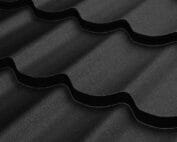
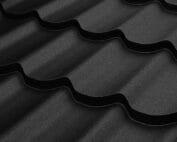
Trapezoidal steel sheet is a natural candidate for a simple roof over a garage, carport or utility building. It allows a choice of coating and colour, and the sheets can be selected to match the rafter length. T18 and T35 differ in geometry. The final load-bearing capacity is determined for the specific variant, thickness and support conditions, not merely on the basis of the profile height.
Titanium-zinc is often chosen for the character of its surface and the possibility of creating demanding architectural details. Such a purpose does not always justify its use in a simple utility building. Conversely, cheap steel with an unsuitable coating is not a sensible substitute in a demanding environment. It is worth comparing the actual scope of works and subsequent maintenance.
How can you compare two quotes without making a mistake?
Both quotes should cover the substrate, auxiliary layers, covering and flashings. The price of the material must be separated from the cost of craftsmanship in making the connections. Do not compare the price per square metre of sheet alone. The developed area, waste and the number of complicated corners are significant. In a renovation, an assessment of the existing substrate and drainage is also required.
Establish the maintenance requirements and warranty conditions. For steel, the rules for dealing with damaged coating are important, and for zinc also the conditions for contact with other materials. A good choice should match the way the building is used. If the aim is simple and economical covering, start the comparison with correctly selected T18 or T35 sheet.
7 branches. Materials closer to your project.