Maintenance and durability
How to prepare for a safe roof replacement
Before ordering new covering, assess the old roof and its trusses. Establish where leaks originate, and check the timber and connections. Bear in mind that some defects may stay hidden until removal, so allow for extending the works. Lightweight metal sheeting makes renovation easier but will not repair a damaged structure. Before work, provide safe access, fall protection and protection of the building from rain. Plan deliveries, waste space and inspection of details.
What must be checked before ordering new steel sheet?
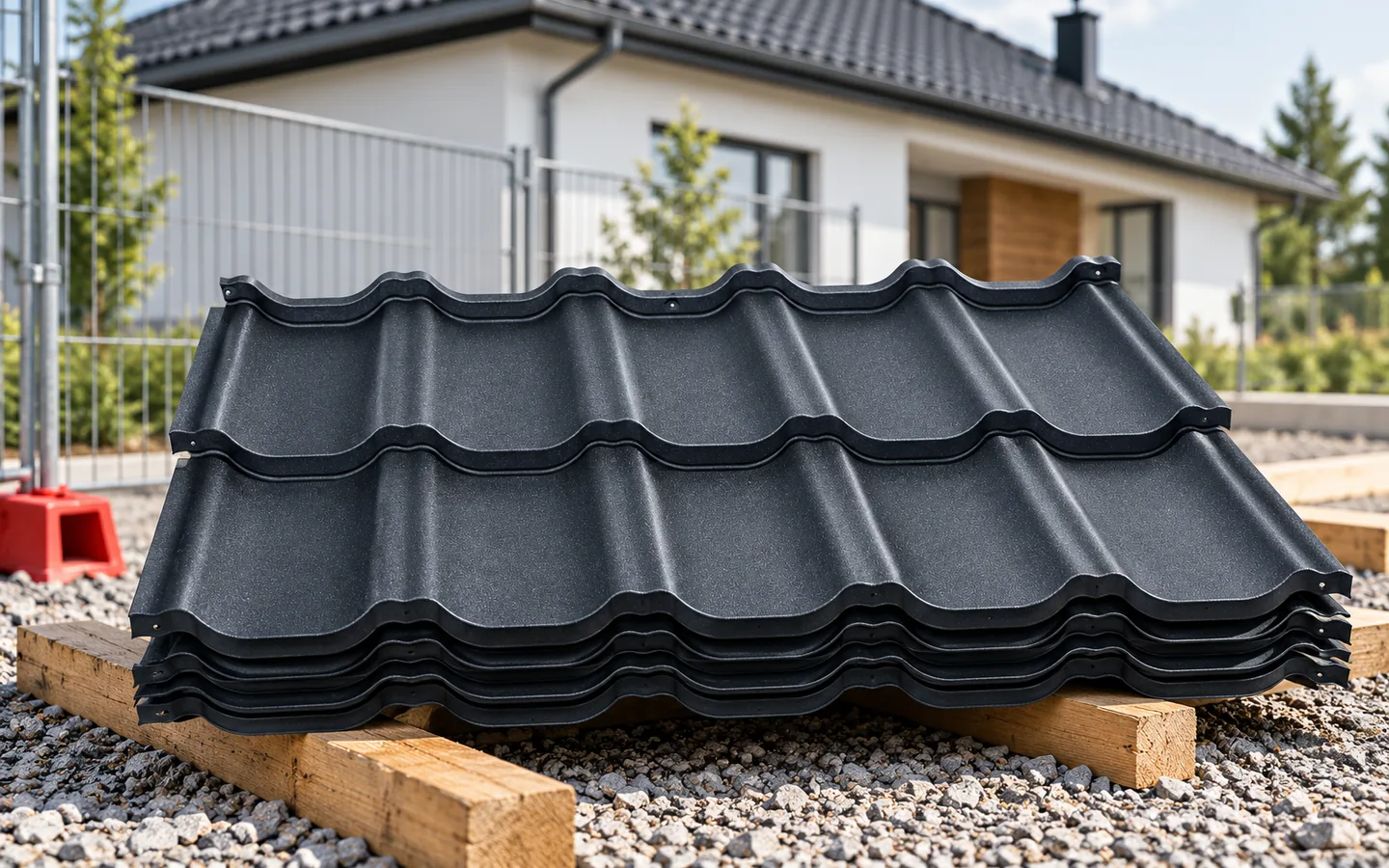
First, an assessment of the old covering and the structure beneath it is needed. The sources of leaks, the condition of the timber and the connections must be established. Some damage is often hidden. It is therefore worth allowing for the possibility of extending the scope after removal. Ordering material solely on the basis of the old roof area does not answer the question of whether the substrate is suitable for reuse.
Existing layers must also be identified. Unknown material should not be cut or broken up as part of a trial removal. If there is a suspicion of asbestos-containing materials, a specialised assessment and the correct handling procedure are required. Waste from different parts of the roof may require separate management. It is well worth establishing this before the team arrives.
How to select the covering for the existing structure?
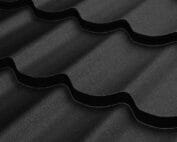
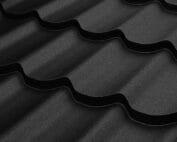
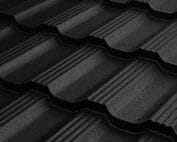
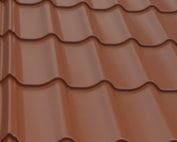
The low weight of tile-effect metal roofing or trapezoidal steel sheet is an advantage in many renovations. However, it is not proof that the old roof structure will be safe without repair. Changing the covering affects the fixing and the wind behaviour. Additional layers and equipment must also be taken into account. The assessment should cover the entire roof after renovation, not merely the difference in weight between two surface materials.
Choose a product approved for the existing pitch. Check the spacing of battens or other supports and the feasibility of using the correct fasteners. With modular and cut tile-effect metal roofing, the geometry of the specific model matters. New profiles do not necessarily match the old framework. If necessary, the substrate must be prepared in accordance with the requirements of the chosen covering.
How to plan the sequence of works and protection against rain?
The extent of the opened roof section should match the team’s capacity and the weather forecast. A plan for temporarily protecting the building is needed. It is not enough to assume that the replacement will be finished before the first rainfall. During the renovation, structural damage or delivery problems may come to light. Protection of the interior must allow for such interruptions, especially in an occupied home.
Before starting, it is worth having the flashings agreed and the complete set of necessary accessories. The lack of a small component can halt the completion of an important detail. Space for delivery and waste must also be prepared. Old sheets should not be thrown into the available space. The method of lowering and storing them should protect the workers as well as the residents and neighbours.

What does safe organisation of work on the roof mean?
The team needs suitable access and fall protection. Their selection depends on the building and the working method. Not every part of the old roof is suitable for anchoring protective equipment. The condition of the supports and fixings must be known. The area beneath the works must be cordoned off, because tools, flashings and fragments of material can fall despite careful working.
Long sheets require a lifting plan. Wind can make the element difficult to control, and inadequate support can lead to bends. Work should not be carried out in conditions that exceed the capabilities of safe installation. This also applies to wet and icy roof surfaces. A fixed completion date is no reason to skip safeguards or transport material riskily.
Is it worth improving the insulation during replacement?
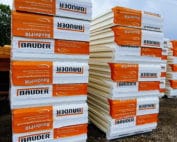
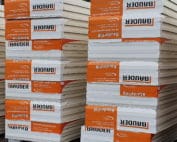
Renovating the roof covering is a good opportunity to assess the thermal and moisture layers. It must be established whether the attic will be heated and how ventilation is to work. PIR boards can help where insulation thickness is limited. However, their selection requires checking the application, facing and method of fixing. Not every board is suitable for any roof assembly.
New insulation changes the thickness of the building element and can affect the eaves, windows and flashings. Continuity at walls and penetrations is important. Damp layers should not be left without establishing the cause of the dampness. Sealing the problem under new steel sheet can hinder drying and subsequent repair. The solution should cover the entire cross-section, not just adding another layer.
What should be checked when accepting the renovation?
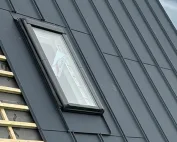
Acceptance should cover fixings, laps, flashings and drainage. The cleanliness of the surface after cutting and drilling should also be checked. Leftover swarf can cause local corrosion marks. The correct execution of service penetrations and roof access elements must be confirmed. A merely even appearance of the roof surface does not yet indicate whether all relevant details have been executed correctly.
Ask for documentation of the materials used, photos of the covered layers and maintenance rules. It is worth recording the scope of structural repairs and changes from the original plan. This facilitates later work and assessment of any defects. A well-executed replacement ends with a complete, functional roof. The new covering is an important part of the renovation, but its durability also depends on what is beneath it.
7 branches. Materials closer to your project.