Costs and formalities
Buying a new roof: where is it worth spending more?
When choosing a roof, matching it to the specific building matters more than price alone. Risky savings concern the quality of fastenings, tightness, substrate preparation and coating. The cheapest sheet can lead to a costlier repair if it does not suit the operating conditions. Compare offers for the same covering area and full scope. Good layout, simpler details and the right format bring more benefit than randomly lowering parameters. A high price does not guarantee suitability, and an extensive coating is not always necessary.
Is a more expensive covering always better?
A high price alone does not prove that the material suits a given building. An extensive coating may be necessary in a demanding environment, but not every project has the same conditions. It is worth paying for properties that solve a real problem. Overpaying for visual effect alone and saving on correct installation is an unwise division of the budget.
First, the technical requirements must be established. What counts is the structure, the pitch, the corrosive conditions and the expected durability. Only then can you choose from comparable variants. T18 or T35 trapezoidal sheet with an appropriate specification can be a good choice without the most elaborate decorative version. However, it should not replace a product whose parameters are needed in the project.
Why do thickness and load-bearing capacity require attention?
A thinner sheet is not automatically bad, but it must be intended for the given support spacing and loads. The load-bearing capacity is also determined by the profile geometry, the steel grade and the structural behaviour. Replacing the material with a cheaper one without checking these data can lead to excessive deflection or other problems. A table for one variant does not confirm every product with a similar name.
The offer should make clear what the stated thickness refers to. The thickness of the steel core and the coating layer are different pieces of information. It is not worth agreeing to an imprecise description such as ‘reinforced sheet’ without a specific specification. Structural sheets should be treated in the same way. Protecting the budget must not consist in removing a load-bearing reserve whose significance no one has previously checked.
On which small components is it easiest to lose out?
Fasteners, seals and flashings make up a small part of the visible surface, but they have a major influence on how the roof performs. The screw must match the substrate and the forces transmitted. The washer requires the correct pressure. A fastener that is too short or a random substitute can become a weak point. A similar head colour does not prove that two fastenings have the same properties.
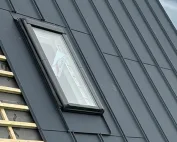
Saving on flashings is often illusory. The roof valley, chimney and eaves need the right dimensions and shape. Shortening the overlap without a basis in the instructions can increase the risk of leakage. Nor should necessary ventilation elements be removed simply because they cannot be seen from the ground. Repair after the roof surface has been covered often requires dismantling more than the element that was saved.

Why does substrate preparation affect cost later?
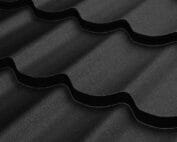
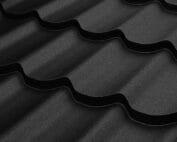
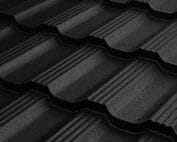
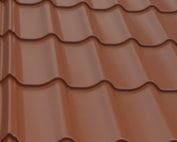
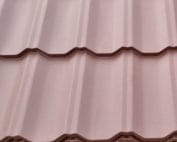
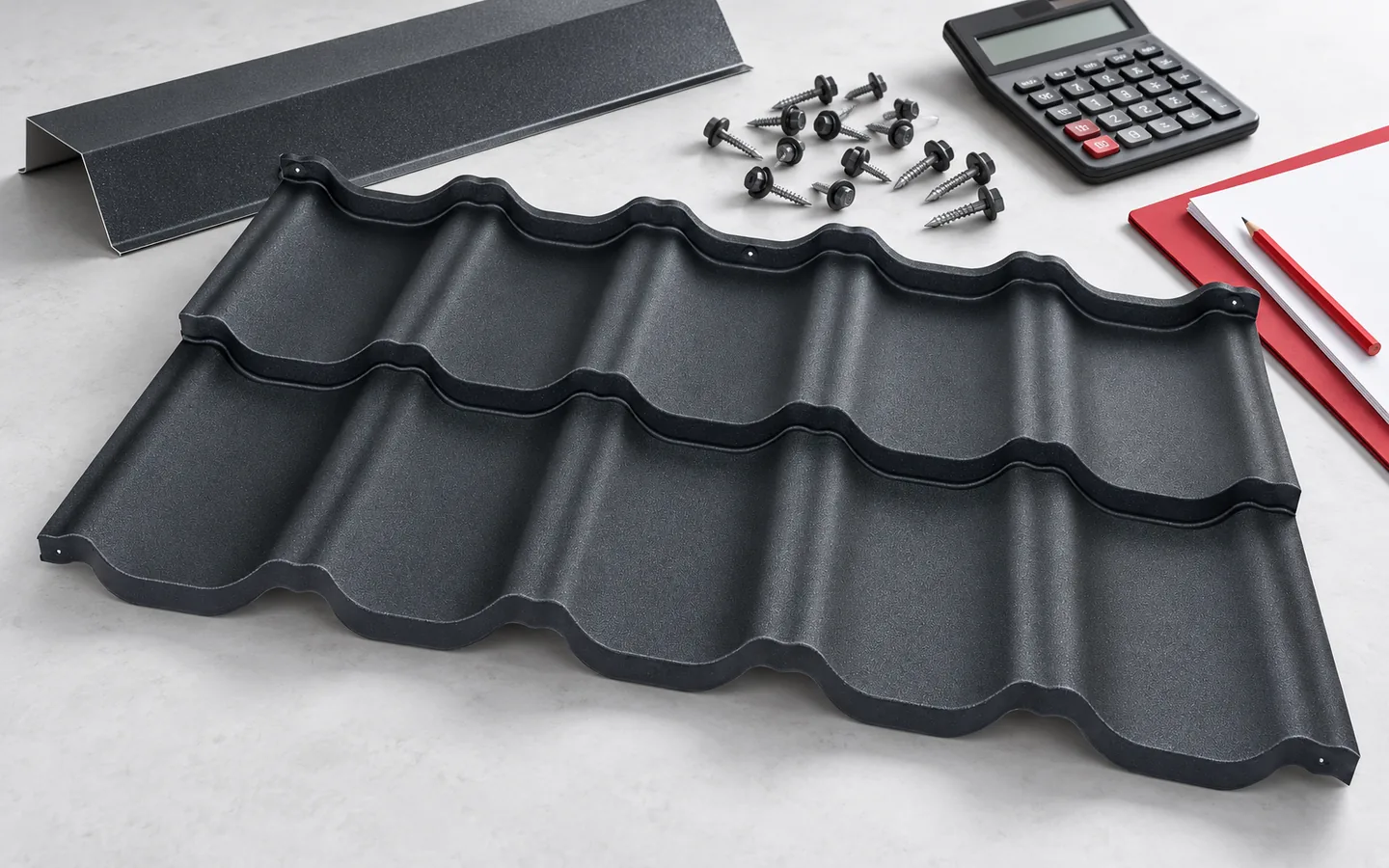
An uneven or weakened substructure can spoil the result even with good covering. During renovation, the timber, fastenings and support spacing must be assessed. A new tile-effect metal roofing model may require a different batten layout. Retaining the old substructure at all costs does not always save time. Problems may show up as mismatched pressings, unevenness or difficulties with correct fastening.
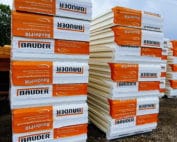
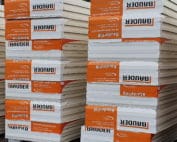
In a heated roof, it is not worth omitting continuity of insulation and the layers regulating moisture flow. Their errors do not have to immediately produce a visible leak. They can lead to condensation and reduced comfort. PIR insulation boards help where thickness is limited, but require well-executed joints. Buying material with good lambda does not fix gaps left during installation.
Where can safe savings be found?
A simple design and good cutting layout make a big difference. On a regular roof, it is worth comparing cut tile-effect metal roofing with modular tile-effect metal roofing. You should calculate the actual quantity of material, waste and transport. There is no single cheapest format in every situation. A properly established delivery sequence also reduces the risk of damage during long storage on an unprepared site.
You can also reduce the number of colours and unusual details. A standard, well-chosen solution is often easier to install and to service later. It is worth planning future installations now. A prepared installation penetration may cost less than later dismantling part of a finished roof. Such decisions lower the expense without giving up the properties you need.
How can you check whether an offer is genuinely cheaper?
Compare quotes for an identical scope. Check the price per m² of covering, not only per m² of the total sheet area. Include flashings, accessories, transport, installation and substrate preparation. A missing item in the comparison does not mean it will not be needed. It is merely a deferred cost that will appear when changing the contractor or material is already difficult.
Put the specification and acceptance rules in writing. It is worth keeping the covering documents and information on warranty conditions. A declared long protection period may relate to a specific property and require proper handling. A good budget covers the complete roof and its use. The safest way to save is on unnecessary complication, not on the elements responsible for load-bearing capacity, tightness and durability.
7 branches. Materials closer to your project.