Maintenance and durability
How to plan safe snow removal from a roof
The need for snow removal is determined not only by the thickness of the snow cover but primarily by the type of snow, its distribution and the load-bearing capacity of the structure. It is worth checking whether the roof documentation and the conditions for which it was designed are known, especially in large halls. Establishing how to monitor and remove snow before the first heavy snowfall helps avoid improvisation. The assessment should account for drifts at parapets and equipment, as well as ice and water retained by blocked drains. A safe plan should define access, safeguards and the drop zone.
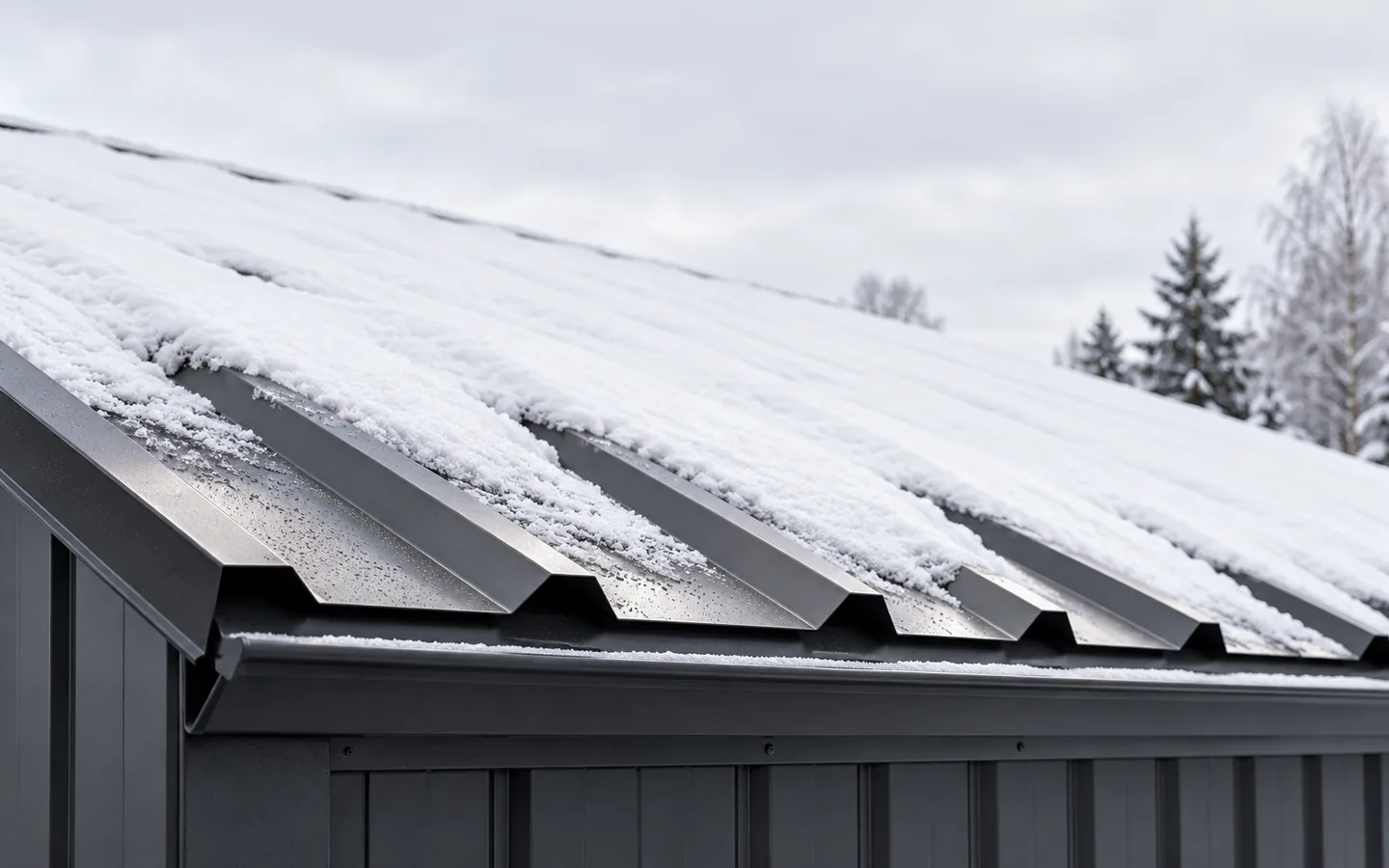
Why are centimetres of snow alone not enough?
Fresh, light snow and a compacted wet layer have different masses at the same thickness. Rainfall and temperature changes can increase the problem. That is why the universal slogan “clear snow from a specific number of centimetres” is not a good instruction for every roof. Information is needed about the structure and the conditions for which it was designed. This applies especially to large halls.
Snow does not always lie evenly. Wind can form drifts at parapets, at the higher part of the building or at equipment. The local layer is sometimes considerably greater than at a point visible from the ground. When assessing, ice and water retained by blocked drains must also be taken into account. Observing one easily accessible point does not give a complete picture of the load on the entire roof slope.
Who should determine the need for and method of snow removal?
The owner or manager should know the roof documentation and have an established method of inspection in winter. If data on load-bearing capacity is missing, an assessment by a person with appropriate structural competence is needed. Conversions and additional installations must be taken into account. A roof with new photovoltaics or heavy equipment may behave differently than in the original design without these elements.
Visible excessive deflection, unusual noises or damage require an urgent response and keeping people away from the danger. In that case, a random person should not be sent onto the roof to “check the snow”. The work additionally loads the structure. The method of securing the building and further action should result from an assessment of the situation, not from an attempt to quickly remove the symptom without identifying the risk.
How to prepare a safe organisation of work?
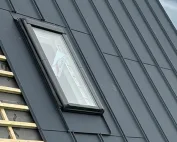
The team needs established access, fall protection and knowledge of elements hidden under the snow. A skylight may be invisible and is not suitable for walking on. A roof walkway is not automatically an anchor point for protective equipment. The purpose of each safeguard must be checked. Wet, icy sheet metal requires particular caution and the right choice of working conditions.
At ground level, an area must be cordoned off where removed material may fall. It should remain inaccessible to pedestrians and vehicles. Windows, installations and neighbouring structures must also be taken into account. Throwing snow in a random place can damage the façade or create a new hazard. The work plan should also indicate how the team communicates and how to respond to changes in weather.

How to avoid overloading the roof during snow removal?
The sequence of work should correspond to the structure and the distribution of load. Heavy piles should not be created on one part of the roof slope, nor should snow be moved to a place with unknown load-bearing capacity. Equally important is avoiding accidental, large variations in load. The safe method of removal should result from a plan for the specific roof, particularly in the case of a large-area structure.
People, equipment and material accumulated during the work must be added to the load. It must not be assumed that because the roof carries snow, it will accept any additional pressure. Structural steel sheet and sandwich panels have specific rules of use. Walking in unforeseen places can damage the cladding or the layers beneath it, even without a visible failure of the main structure.
How to protect the sheet metal covering?
Tools and working method must be matched to the surface. Sharp metal edges can scratch it. Ice must not be chipped off by striking the sheet or by prising at the laps. Damage is sometimes visible only after the thaw. The aim should not be to strip every remnant down to a dry surface at any cost. The scope of cleaning must be agreed with the covering instructions and the work plan.
Flashings, seals, gutters and installation fixings also require protection. The weight of snow or equipment must not rest on an arbitrary element. Chemicals for dissolving ice may be incompatible with the surface or other roof parts. Their use requires confirmation of approval. Pouring hot water over the roof slope is not a sensible method of resolving a blockage and may create further icing.
What is worth doing before next winter?
After the work, the covering and the patency of the drainage should be checked when conditions allow a safe inspection. Any damage must be documented. The cause of the problem may be not only the snowfall itself but also poorly maintained drainage or a poorly thought-out arrangement of equipment. Conclusions from one season help improve preparation for the next and streamline later actions.
Snow fences and other snow guards limit uncontrolled sliding but do not automatically increase the roof’s load-bearing capacity. They must be matched to the covering and the load. The best winter plan combines structural inspection, access to a professional team and efficient drainage. This allows the decision to clear snow to be made on the basis of data before signs of danger appear.
7 branches. Materials closer to your project.