Installation and details
Can solar panels be mounted safely on a metal roof?
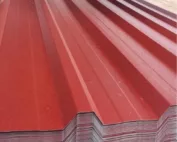
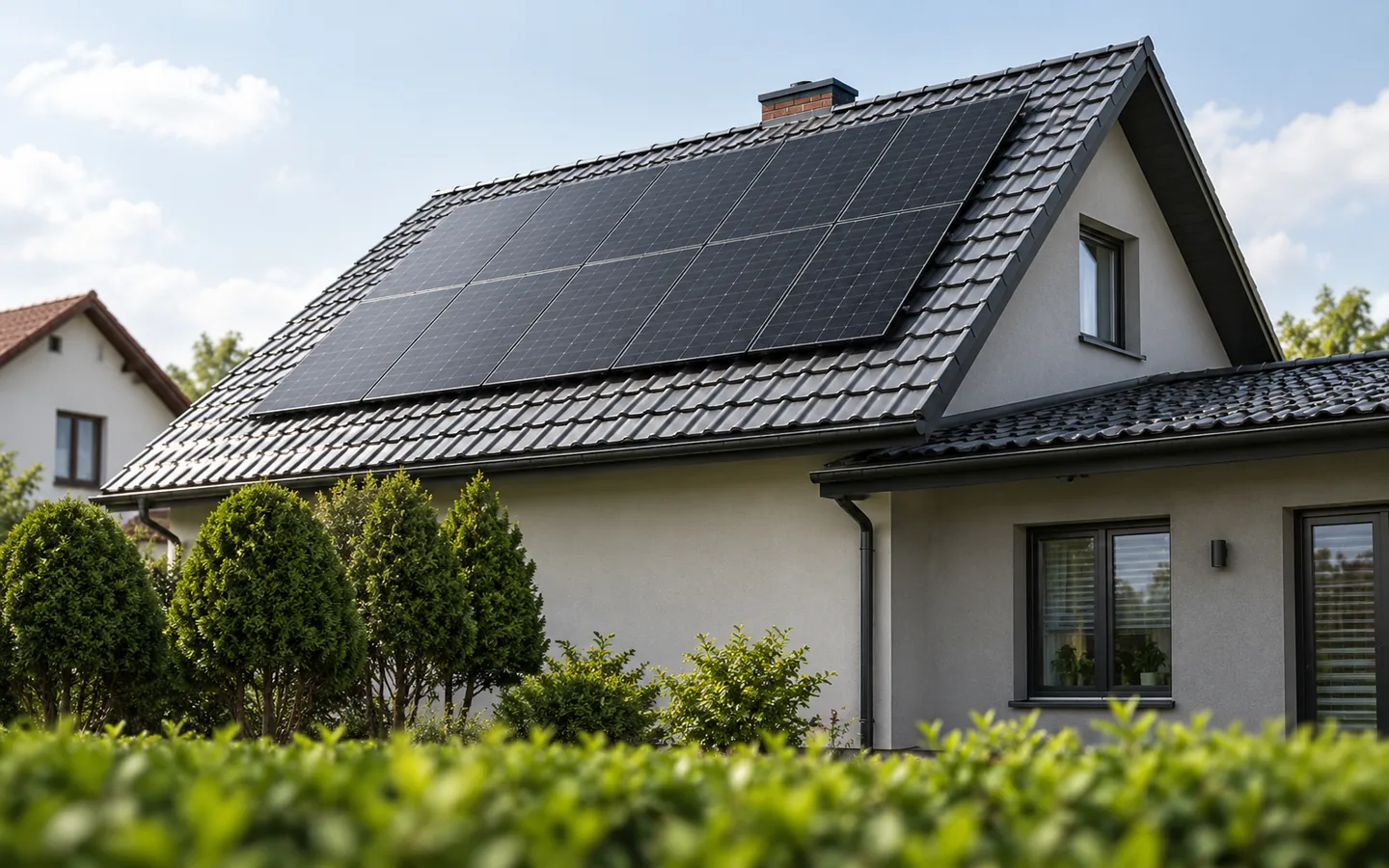
Yes, photovoltaics can be safely installed on a metal roof, provided the fixings match the specific covering and structure. Before deciding, check the condition of the sheeting, the type and spacing of supports, not just the profile symbol, because T18, T35, tile-effect sheeting and sandwich panels require different solutions. Assess the additional loads, wind suction, penetration sealing, corrosion and the expected scope of renovation. The selection should cover the whole system from module to roof support, with documentation and service access.
What needs to be checked before a quote for the installation?
Start with the condition of the covering and the structure. Installing new equipment on a roof that needs prompt replacement can mean doing the work twice. Corrosion, fixings, flashings and the expected scope of renovation must be assessed. A photo of the whole roof slope from the ground does not always show the condition of the joints and the layers hidden beneath the sheets.
Information is needed on the profile, sheet thickness, type of supports and their spacing. For a sandwich panel, also on the thickness of the facings and the specific panel type. Without these data, it is impossible to select the fixing responsibly. The installer should know what the forces from the panels will be transferred to, not just where it is convenient to place the rails.
What additional loads act on the roof?
The installation adds the self-weight of the modules and the supporting structure. It also changes the way wind acts and the local snow accumulation conditions. Panel uplift may be significant, particularly at the edges of the slope. A small mass of an individual module does not therefore mean that every existing roof has sufficient reserve.
The check covers the covering, fasteners, substructure and main structure. Depending on the solution, forces may be transferred through various elements. Installation conditions and subsequent servicing must also be taken into account. Storing many modules in one place on the roof may create a different load than their final distribution.
How is the installation fixed to trapezoidal steel sheet?
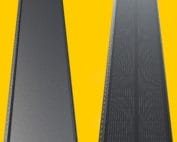
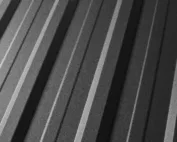
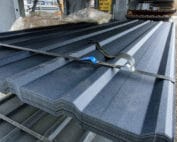
There are systems using rails and fasteners properly matched to the profile. Their approval depends, among other things, on the geometry, thickness and support of the sheet. T18 or T35 does not define all these parameters. It must not be assumed that a fixing tested on one roof can be transferred unchanged to another profile with a similar name.
The tightness of the connections requires suitable seals and control of the contact pressure. The position of the screw should correspond to the system instructions. Thermal movements and materials in contact with one another must be taken into account. A random washer or sealant does not replace a tested solution. Swarf after installation must be removed from the covering and gutters.

What is different with tile-effect metal roofing and sandwich panels?
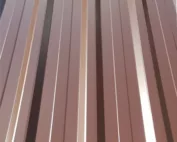
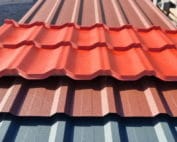
Tile-effect metal roofing has ribs that affect the fit of the bracket. It should not be supported at a random location or crush the profile. The system may provide for transferring loads to structural elements beneath the covering. The solution must be matched to the module geometry and access to the proper substrate.
In a sandwich panel, the behaviour of the facings and the connection to the support are important. Not every fixing can load only the thin outer sheet. The requirements of the panel manufacturer and of the mounting structure must be checked. The fact that the panel is thick does not in itself prove the load-bearing capacity of a local fixing. Core thickness and the ability to hold a fastener are different matters.
Does standing seam allow holes to be avoided?
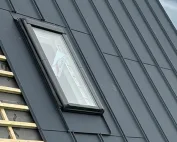
Some solutions use clamps matched to a specific seam. They may reduce the need to penetrate the covering, but they are not universal. The compatibility of the shape, the strength of the seam and the fixing of the panel itself to the substrate must be checked. A clamp will not safely transfer the load if another connection in that chain remains the weak point.
An arbitrary clamp should not be pressed onto any standing seam. A snap-on product and a traditional standing seam may behave differently. The possibility of thermal expansion of the sheet is also important. Blocking its movement can lead to deformation. The selection should follow from the documentation, not solely from the claim that installation is carried out without drilling.
What to remember during acceptance?
Check the cable penetrations, the condition of the flashings and the surface after the team’s work. Cables should be routed in accordance with the design, without accidental rubbing against sharp edges. Access to the chimney, drains and necessary service components must be maintained. The panel layout should not prevent inspection of places that require regular checks.
Accept the documentation of the fixings and photos of the connections. For future renovation it will be clear how the installation interacts with the roof. Also establish the warranty terms for the covering after the intervention. Well-planned photovoltaics can coexist with a metal roof for years. The condition is checking the structure and details before installation begins.
Do not obscure drains or places requiring inspection. The installation plan should also include a safe service route. Later removal of modules solely to reach an ordinary roof detail increases the cost of use.
7 branches. Materials closer to your project.