Costs of new construction
What does a low price for a 40 mm wall panel cover? Estimating an order in 2026
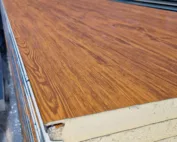
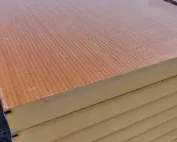
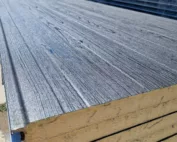
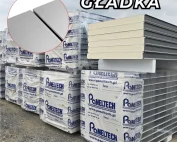
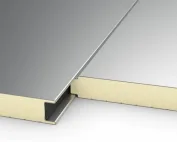
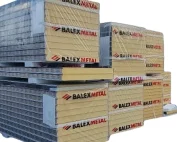
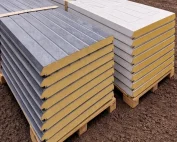
The starting price of a thin wall panel is only useful once it is clear which panel and what scope it covers. In 2026, compare quotes for one specification, date and quantity. Separate the cost of the panels themselves from flashings and installation, and assess the 40 mm thickness by the function of the new building, not by an attractive headline. In an advertisement, thickness is often the most visible feature, but a panel is also defined by its core, metal facings, coatings and interlock. Do not confuse it with a standalone insulation board, which requires different protective layers. Two metal facings change how loads are transferred and how the entire element is fixed.
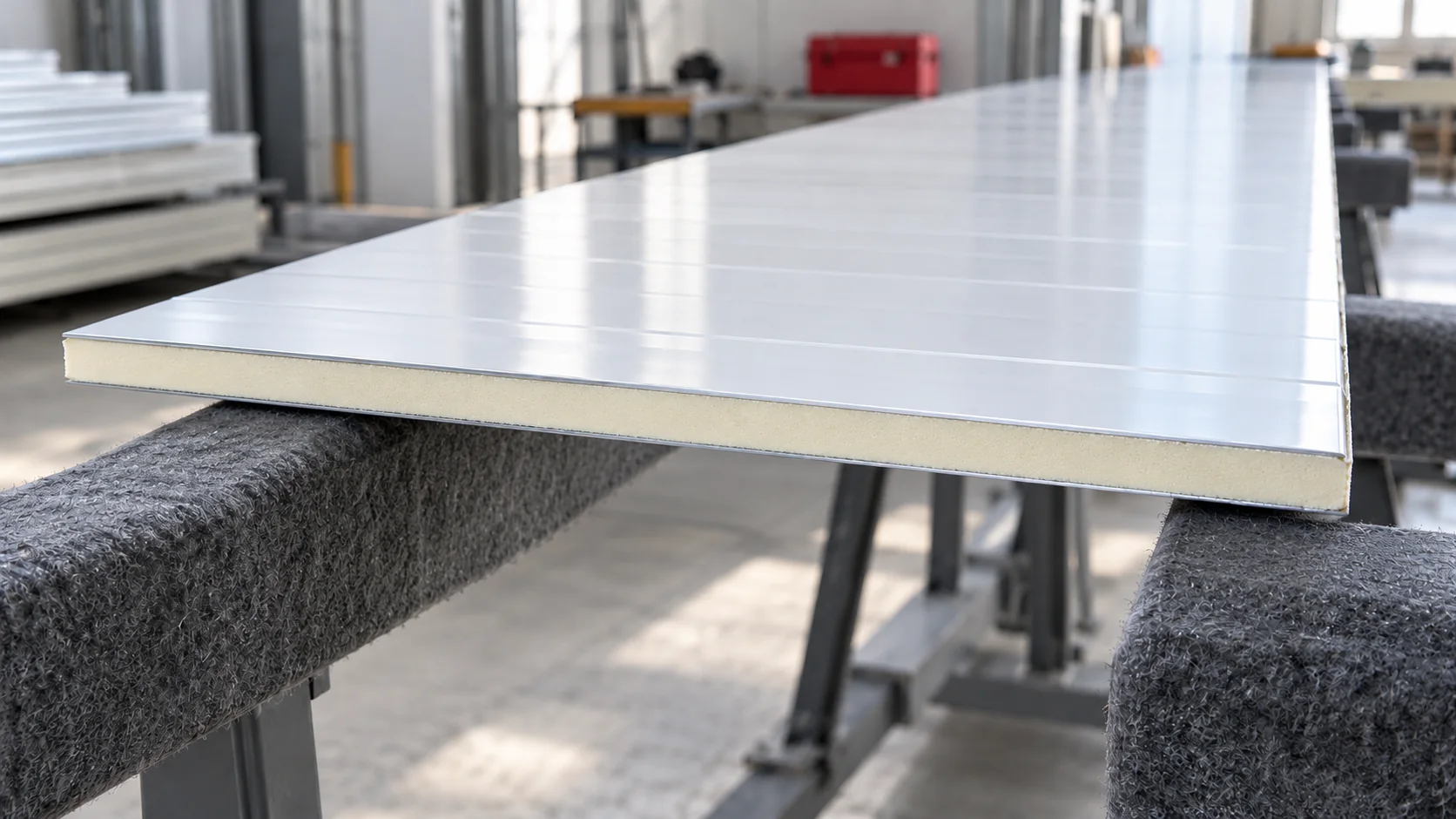
First check what 40 mm means
Check whether the thin wall meets the temperature and building requirements. The U-value and fire classification cannot be determined from the label PIR or the thickness alone. If the structure is to be heated later, analyse this change straight away, together with the roof, gate and floor.
Decode the price and the unit
The amount may refer to a square metre, a piece of fixed length or a minimum batch. Establish whether the effective covering area has been used. Check the tax and whether the price applies to a specific colour and coating. For a promotion, also ask about the number of qualifying pieces, not just general availability of the type.
Do not treat the lowest amount found as the market average. A different core, length and commercial grade change the comparison. Quotes from different weeks may cover different conditions, so for the decision prepare current confirmations for one quantity schedule.
A common net or gross basis is needed in every compared item.
Example cost of panels and the finished area
Assume a wall requiring 126 m² of covering and a cutting layout that results in the purchase of 132 m². At an agreed net price of €21.29/m², the panels alone cost €2,810.28. Let us also assume €428.18 for trims and sealing, €120.35 for fasteners, €254.59 for transport with unloading, and €763.78 for work on the casing.
The total amounts to €4,377.18 net. Dividing by 126 m² gives approximately €34.74/m² of completed area. This is purely a calculation example with assumed amounts, not a current price list. The structure, foundation and joinery remain outside the scope; adding them will change the cost of the entire building wall.
In a small project, fixed costs for equipment and organisation are spread over a small area. Therefore, the result from a large simple elevation is not a good forecast for several short walls with many openings. In the comparison, it is worth showing one-off costs and quantity-dependent items separately. The difference then becomes visible without adding a hidden surcharge to every square metre of panel.

Why openings do not always reduce the purchase
A door opening may require cutting from a full panel, and the remaining piece may not fit elsewhere. Subconstruction and reveal flashings are added. Therefore, before deducting the area of windows and doors, draw out the module widths. A net area schedule is often too simplified for ordering.
Select the plinth height and the position of the lintels so as to avoid very narrow strips. However, do not change the functional dimension of the gate solely to use up a random batch of panels. The aim is rational cutting while maintaining the required space and correct support.
Which savings are only apparent?
A cheaper coating may not suit the environment, and a short batch may require an additional joint. Omitting the sealing specified in the design reduces the purchase price but changes the behaviour of the enclosure. Such a change should not be presented as an equivalent cheaper variant.
For second grade, determine the type of deviation. If the defect is purely visual and has been accepted for a specific location, the material may require a different assessment than a panel with a damaged joint. Do not transfer the declaration for a full-value product to every discounted piece without confirming its status.
How can you prepare a comparison in one day?
Send an identical list of panels and accessories to the selected suppliers. Enter the lengths, cover width, quantity, type of coatings and intended use. Ask for separate figures for transport and unloading. This makes it clear whether the difference arises from the product price, logistics, or a missing part of the scope.
Finally, compare the cost of the used area and confirm compliance with the design. Record the quote date, its validity period and the batch description. Your own spreadsheet may contain several scenarios, but the order must retain one unambiguous material variant.
Questions and answers
Is a 40 mm panel always the cheapest wall?
No. The price of the finished enclosure also depends on the cutting layout, supports, joints and conditions of use. A material that does not meet the requirements does not constitute a comparable variant.
Does the example given show the market price in 2026?
No. All of its amounts were adopted for the calculation. The current price for the build is confirmed in a quote for the specific configuration and quantity, with clearly described additions.
7 branches. Materials closer to your project.