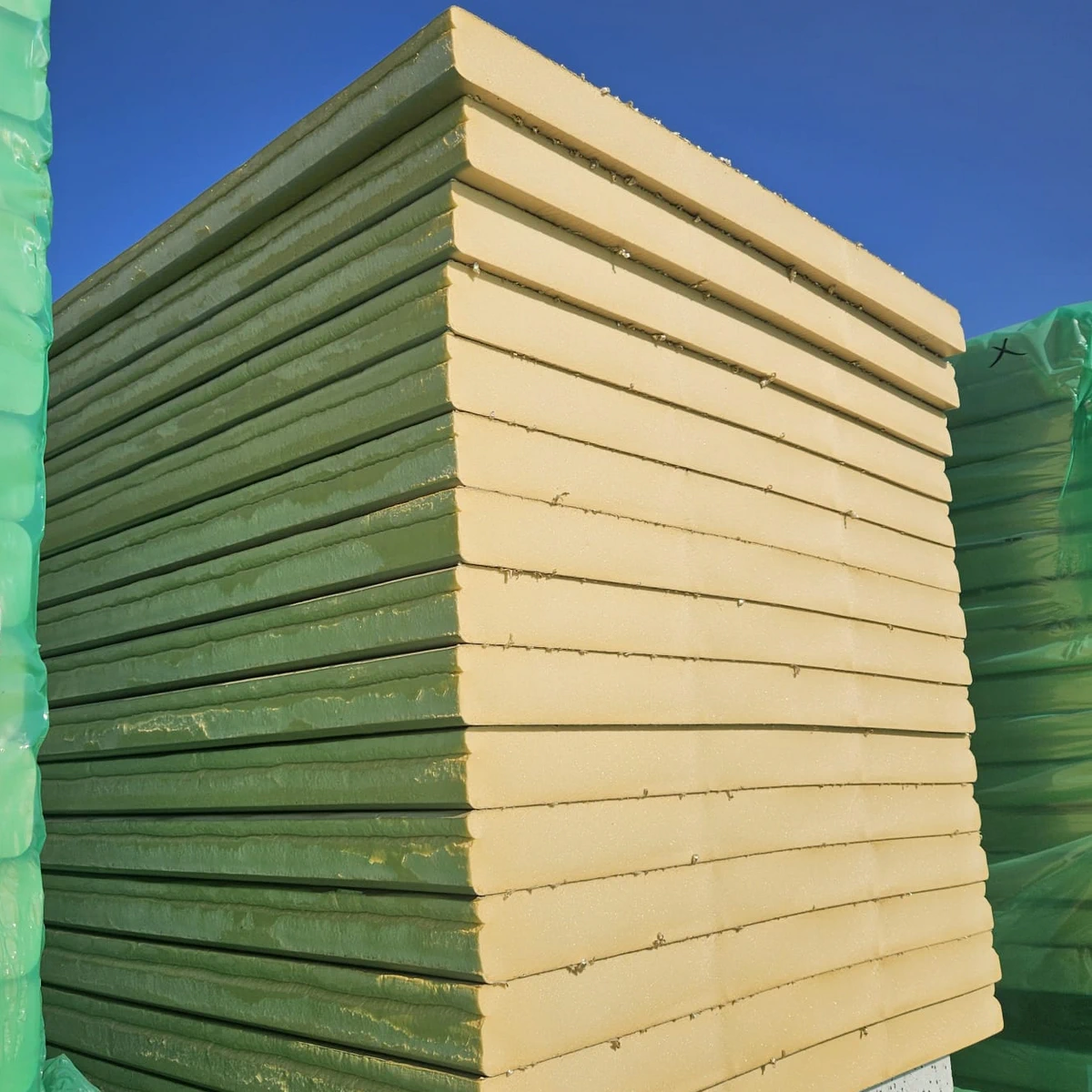
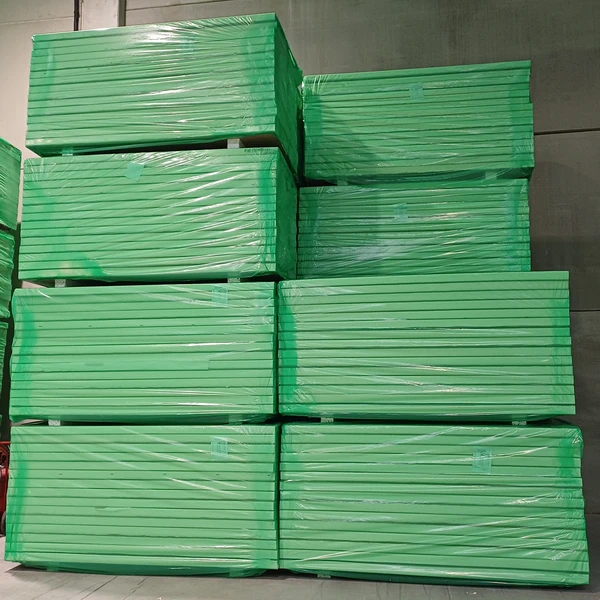
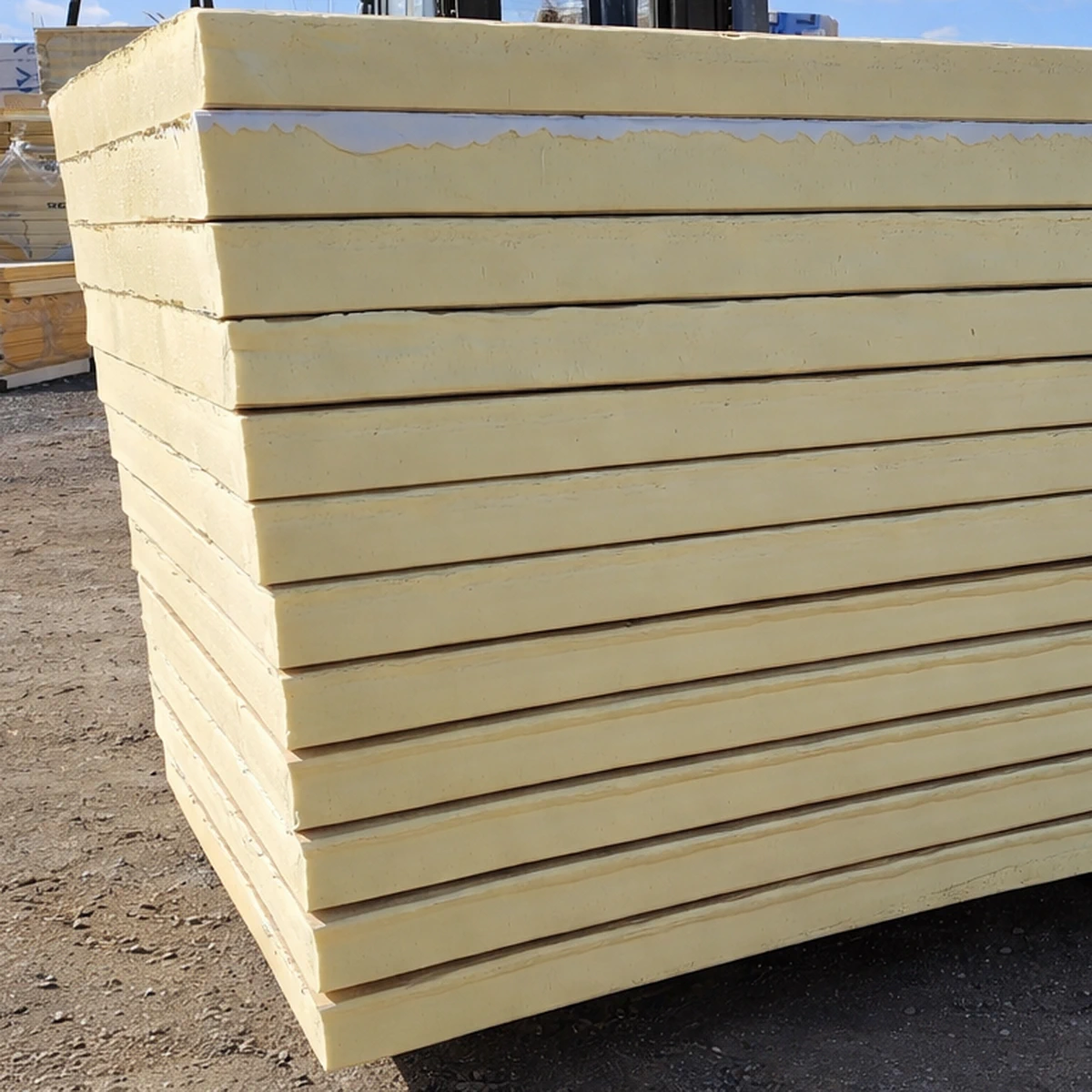
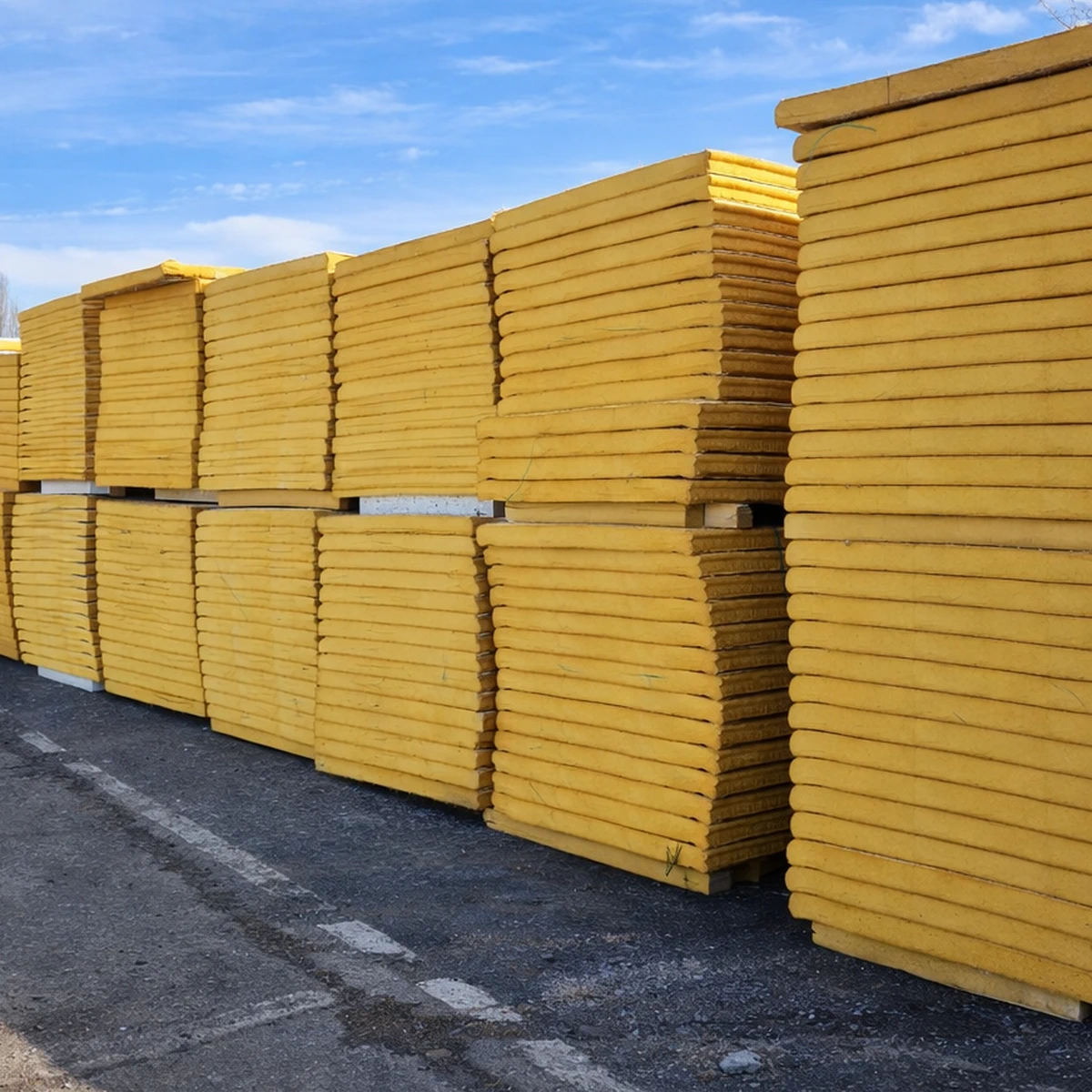
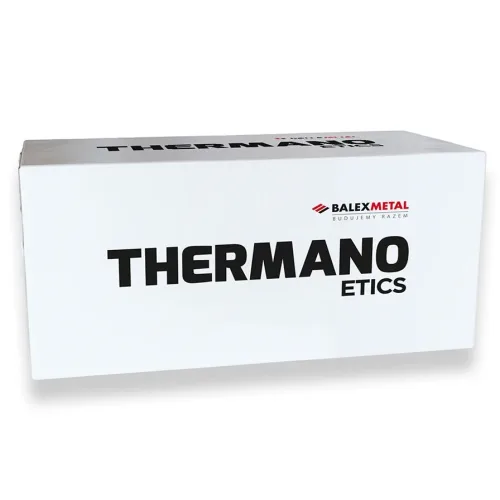
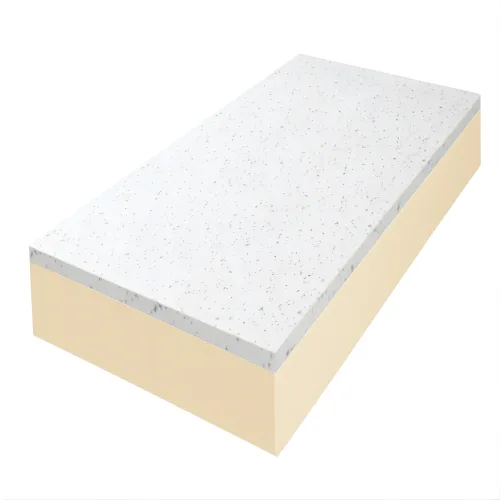
PIR insulation boards
Every centimetre matters where a loft needs usable headroom, a terrace door already has a set threshold or a refurbished roof must meet existing flashings. PIR boards combine low thermal conductivity with low weight and a manageable format. Consider the cost of altering the surrounding roof or joinery when comparing insulation thicknesses.
Design options where space is limited
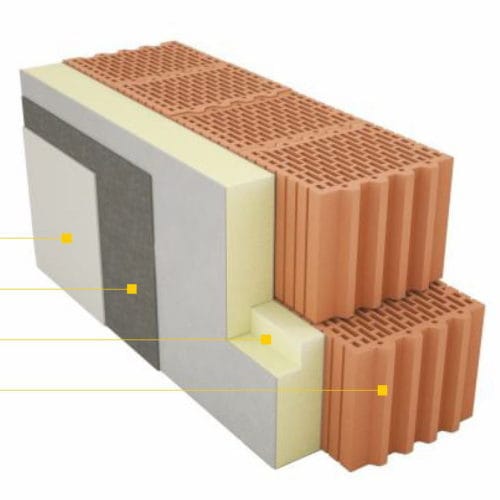
A rigid PIR core can deliver the required thermal resistance in a thinner layer than a material with higher thermal conductivity. This gives designers more scope in floors, walls and roofs. It can preserve headroom or match a new build-up to architectural details. A thin build-up is especially useful above an unheated room where door and stair levels are fixed and changing them would mean replacing serviceable components.
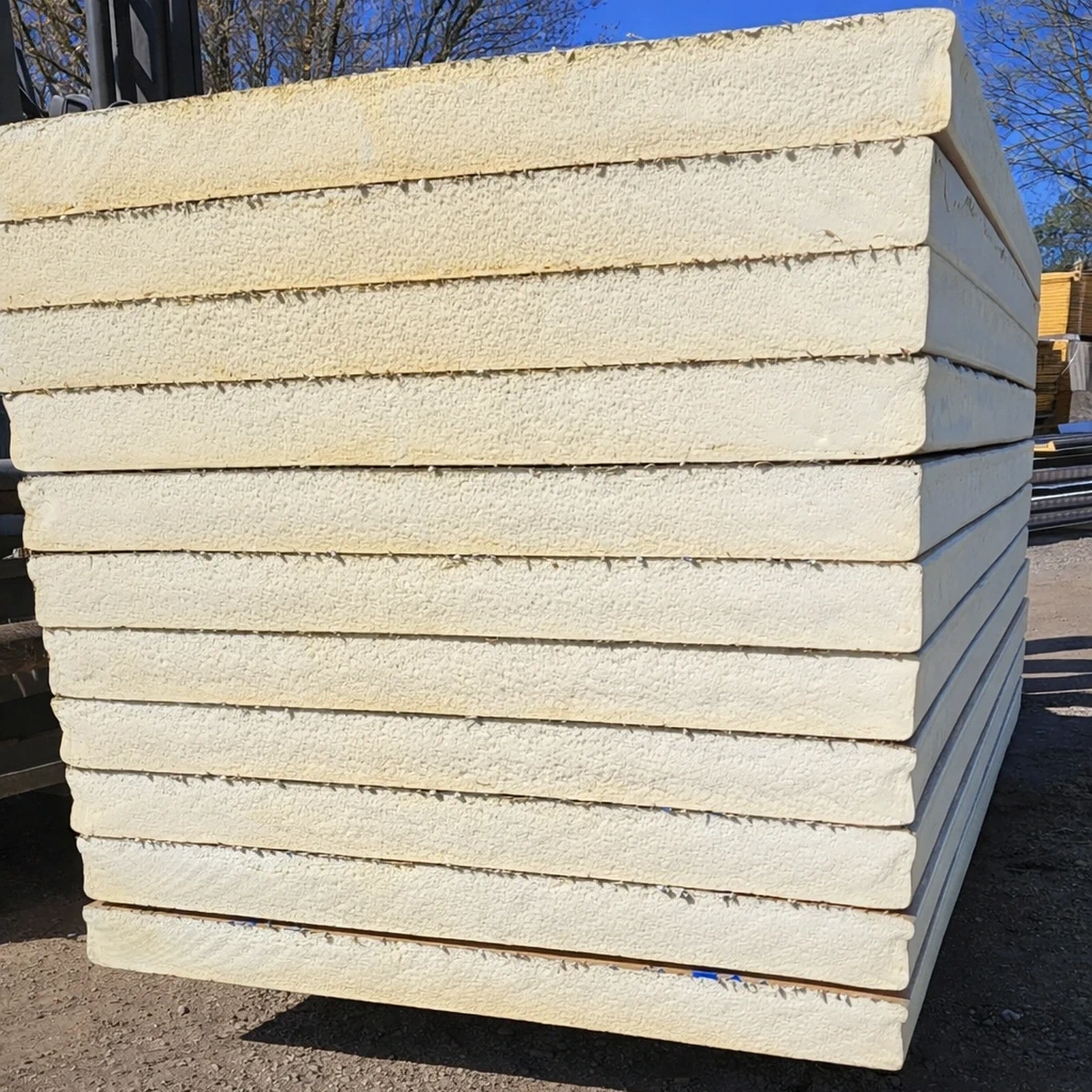
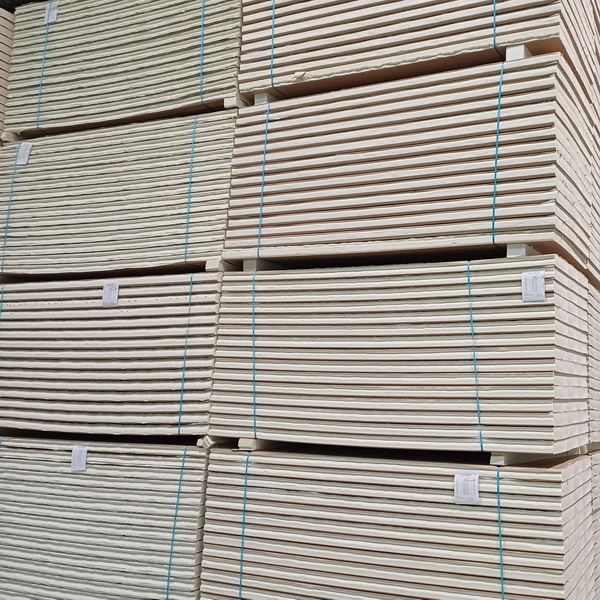
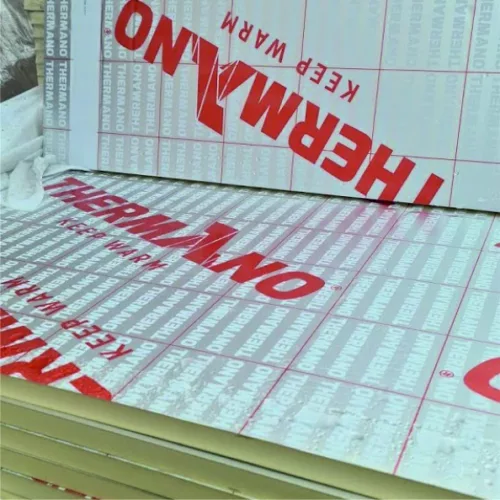
Rigid boards of regular size make it easier to lay an even layer across large areas. They can be cut to match the surface, and the available edge profiles help maintain continuity. In a suitable above-rafter system, insulation reduces heat flow through the timber. It can leave the roof structure exposed inside and preserve usable loft space.
Benefits during construction and in use
The low weight of PIR makes the boards easier to carry upstairs and reduces added weight compared with heavier insulation solutions. This can help when working on an existing roof or in an occupied building. Plan the quantities by area and thickness, then select the facing and strength for each location to estimate costs.
Insulation limits heat loss in winter and slows heat flow into the building in summer. This supports comfort at home and more predictable conditions at work over successive seasons. PIR is especially useful where high thermal resistance and a shallow build-up are both needed, for example where raising a floor or increasing roof depth would complicate construction.
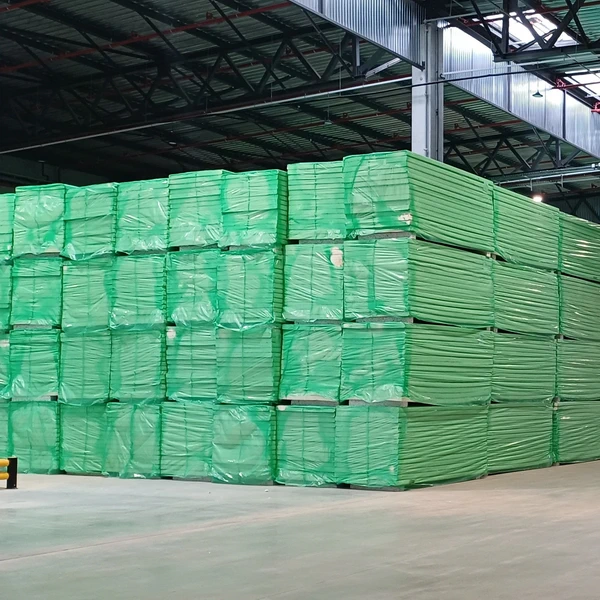
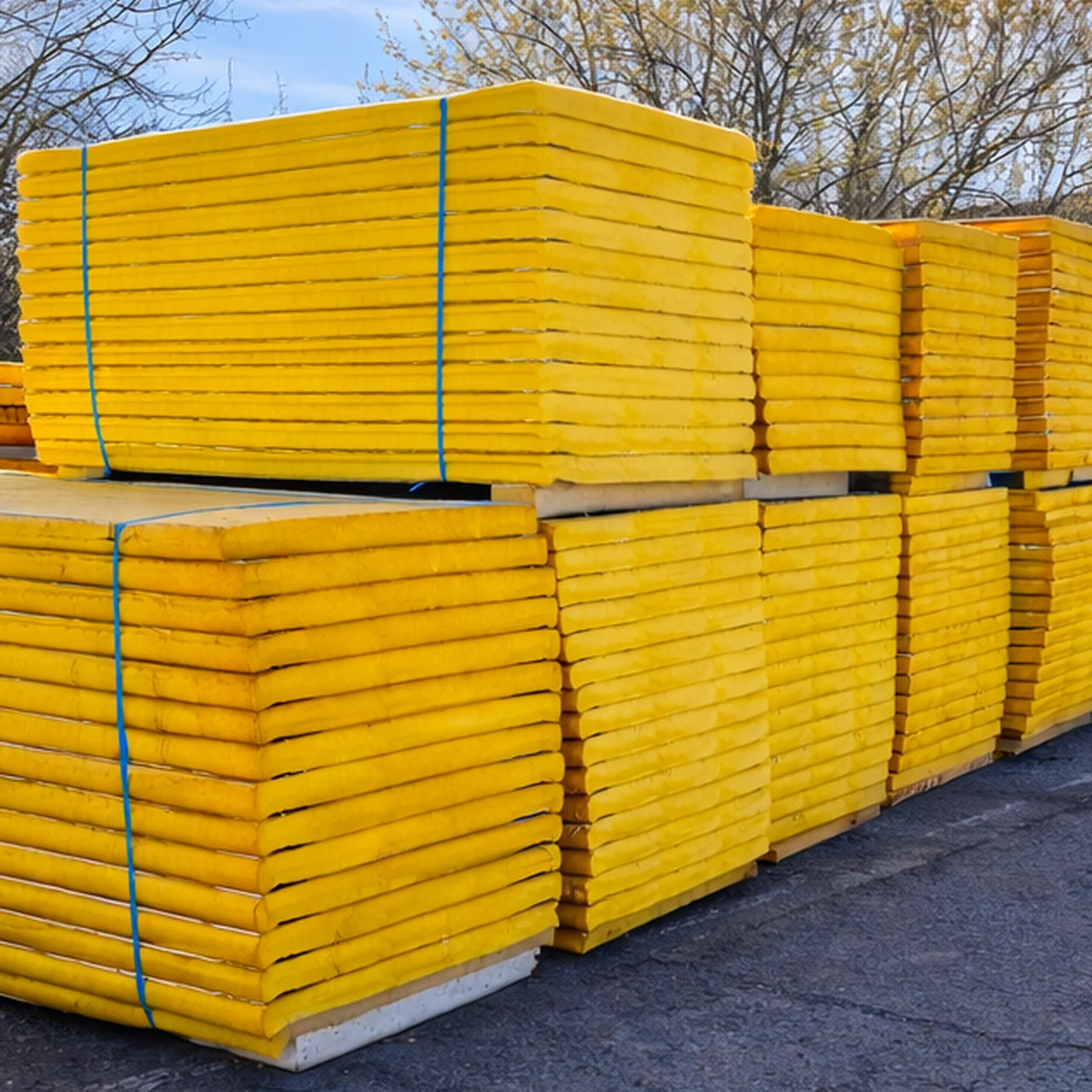
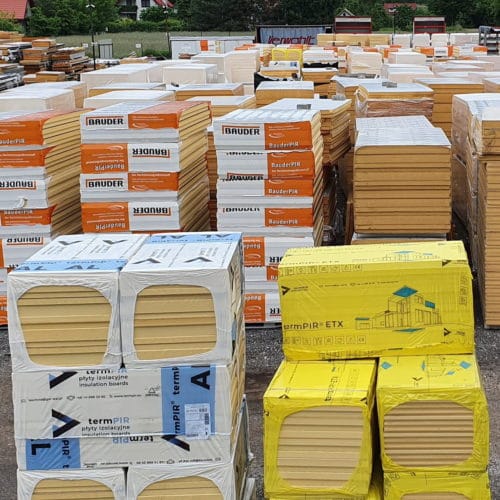
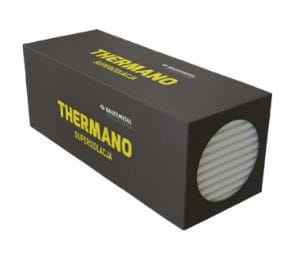
SteelProfil supplies first- and second-grade PIR boards, with a choice of lots available from stock. We help compare thicknesses, formats and uses. Ask about current offers for the area you intend to insulate, whether for refurbishment or a new build.